Commercial Air Conditioning in Bowen
Enquire Now in Bowen
Installation
Repairs
Maintenance
Fast & Reliable
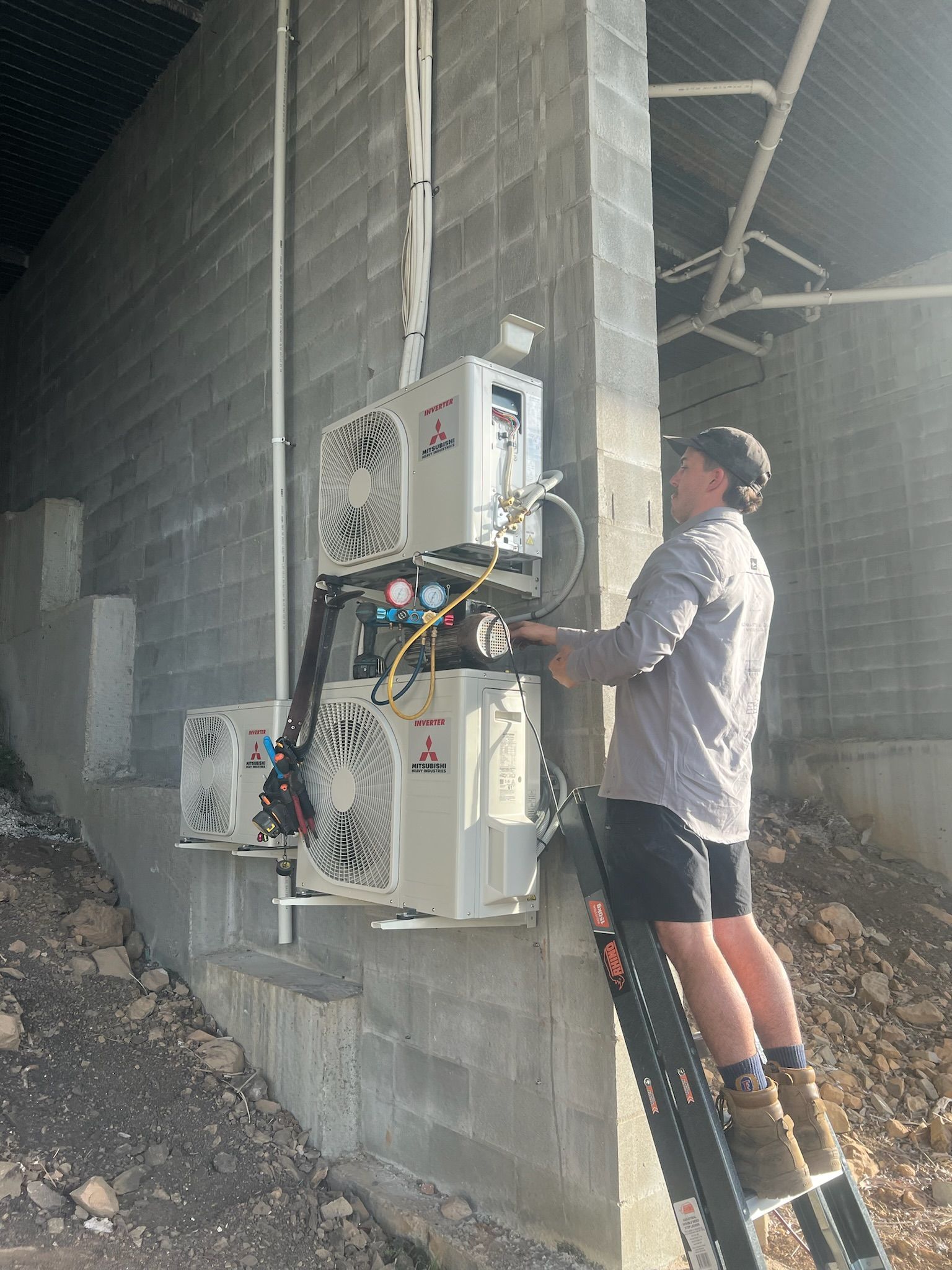
Keep Your Business Cool
At Kilowatts & Cool, we provide commercial air conditioning in Bowen to help local businesses stay comfortable. Established in January 2015, we offer air conditioning sales, design, installation, repairs, cleaning and annual servicing.
Every workplace has different cooling needs, from busy shops to shared offices. We provide practical cooling strategy advice to help you choose a system that suits your space, daily operations and energy needs.
Whether you’re fitting out new premises or replacing an existing unit, we’ll explain your options clearly. As a locally owned and operated business serving the Whitsundays and surrounds, we’re committed to helpful advice and responsive service. Our free quotes make it easier to understand the proposed work and plan your next step.
Call Kilowatts & Cool on (07) 4947 1693 to discuss commercial air conditioning for your Bowen business.
What We Do
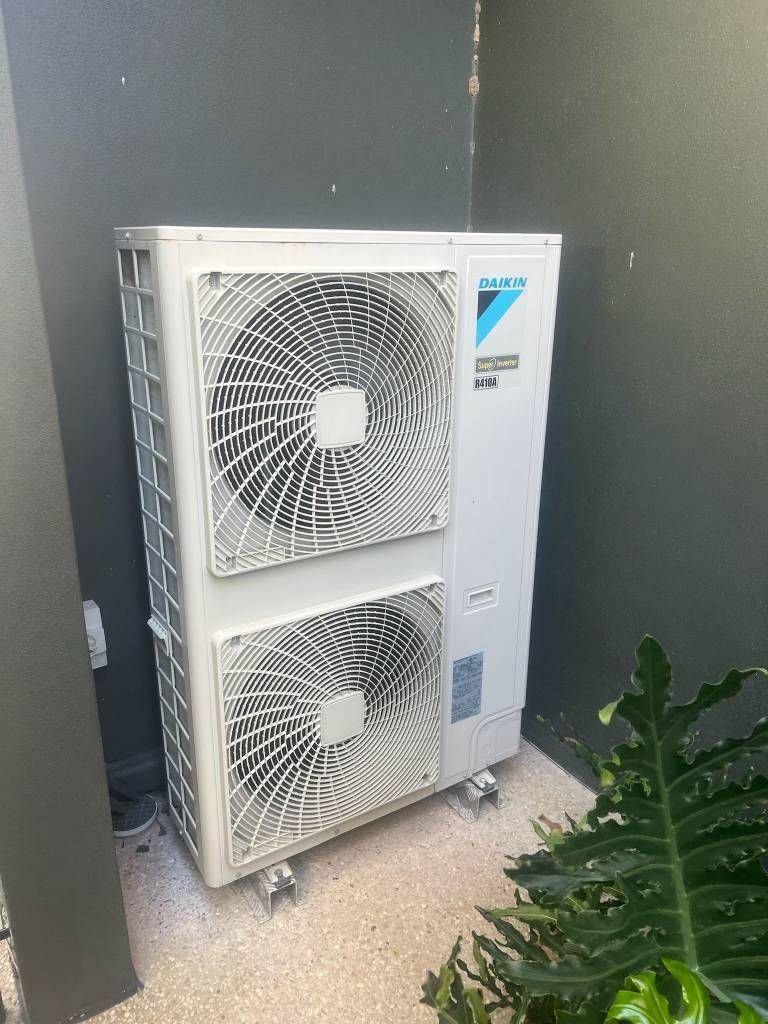
Make everyday living more comfortable with air conditioning suited to your home. Explore system sales, design, installation, repairs and servicing, with helpful advice on your cooling needs and available options.
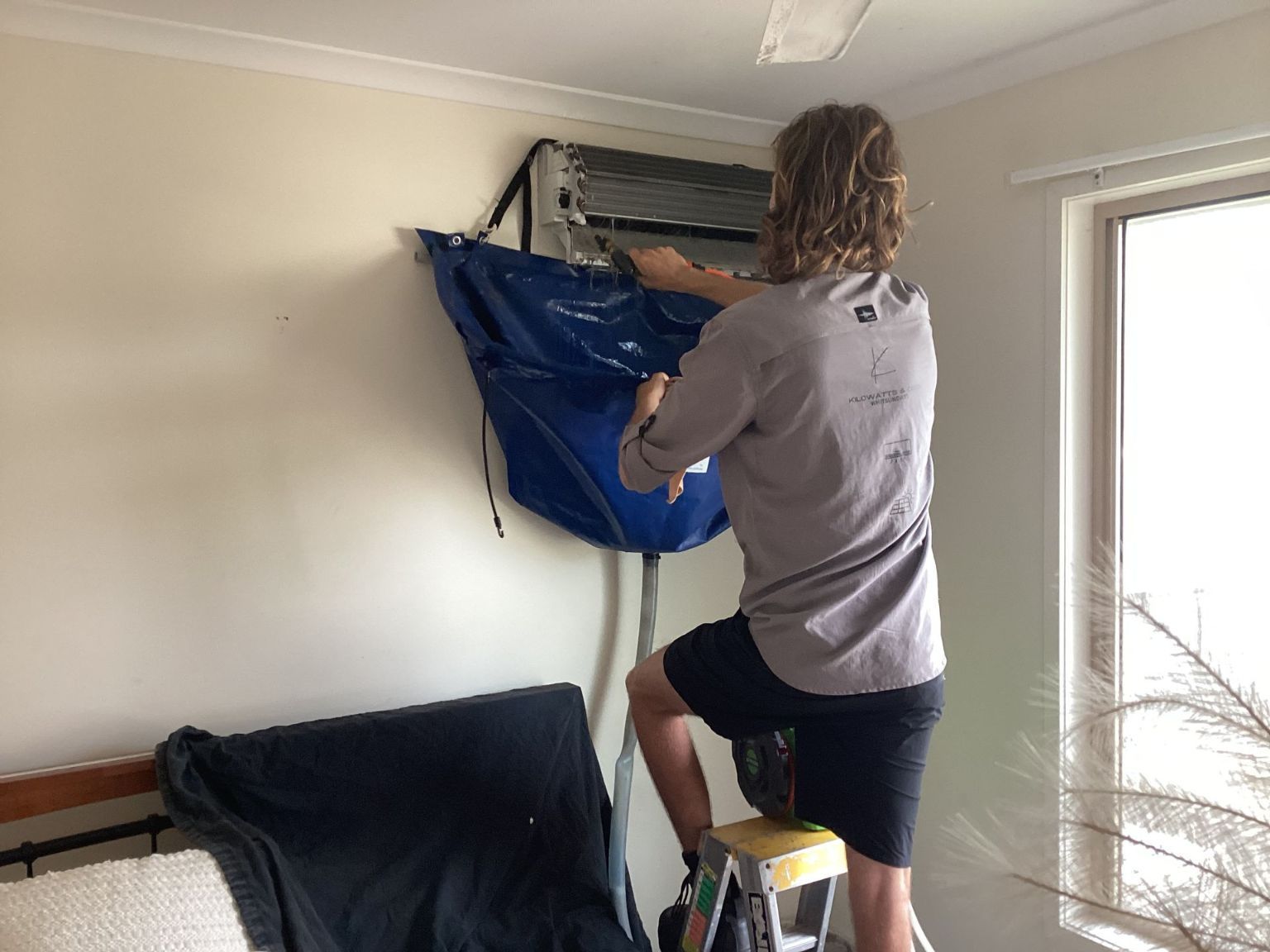
Give your air conditioning some attention with a professional clean. Remove accumulated dust and dirt from your system as part of its ongoing care, helping maintain airflow and everyday comfort.
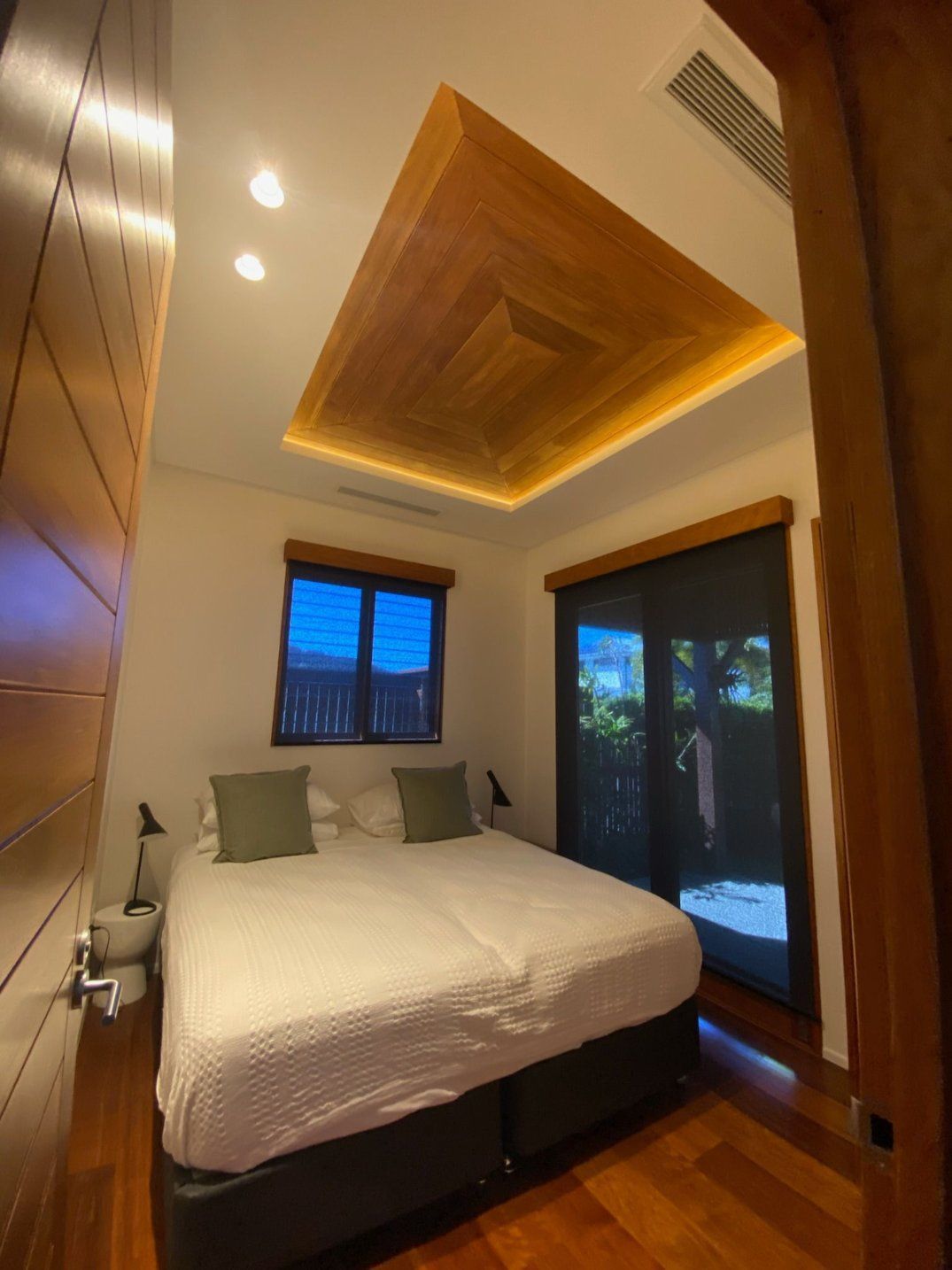
Bring your home’s electrical needs together with practical solutions. From new installations, renovations and extensions to lighting, switchboards, smoke alarms and solar, explore services that suit your household and plans.
Support your daily operations with electrical services suited to your workplace. Explore installations, switchboard upgrades, lighting design, energy efficient solutions and backup generator installations, with advice for your business needs.
Cooling Around Your Working Day
Getting air conditioning right for your Bowen business starts with understanding how your building is used. Different layouts, equipment and staff numbers can affect cooling needs, so we discuss your daily operations before recommending an approach.
We can help with:
- System placement suited to your workspace
- Planning for layout changes or extensions
- Electrical installations alongside air conditioning work
- Repairs, cleaning & annual servicing
If your current system isn’t keeping everyone comfortable, let us know where and when problems occur. Changes in performance give us a useful starting point for investigating repairs or reviewing your cooling setup.
We can also discuss access requirements around staff, customers and opening hours when organising work. From your first enquiry, we explain your options clearly and help you plan the next step for your premises.
Testimonials
Enquire Now in Bowen
Contact Us
T. 0448 939 356
Office Hours
- Mon - Fri
- -
- Sat - Sun
- Closed
Trading Hours
- Mon - Fri
- -
- Sat - Sun
- Closed



Frequently Asked Questions
What type of air conditioning is best for commercial premises?
The best commercial air conditioning system depends on the building’s layout, the areas that need cooling and how the business operates. A split system may suit a single office or smaller shop, while a multi-split system can serve several rooms using one outdoor unit. Ducted systems distribute air through ceiling outlets, and ceiling cassettes provide another option for open commercial spaces. Larger premises may benefit from variable refrigerant flow systems that allow individual control across different areas.
Choosing between these options involves more than comparing cooling capacity. Available ceiling space, outdoor unit placement, noise preferences and access for maintenance also matter. A site assessment helps identify a practical system for the premises and provides an opportunity to discuss any future fit-out changes.
What size air conditioner does a commercial building need?
Commercial air conditioning should be sized to the building’s cooling requirements rather than floor area alone. Ceiling height, insulation, window size, sunlight exposure and room layout all influence the capacity needed. Two premises with the same floor area can require different systems because their construction and exposure to heat differ. Manufacturer guidance specifically identifies these factors as important when selecting air conditioning capacity.
For a commercial assessment, provide details about operating hours, staff numbers, heat-producing equipment and any areas with different cooling needs. Mention planned extensions or changes in how rooms will be used. This gives the designer a clearer picture of the workplace and helps avoid selecting equipment based on a rough square-metre estimate.
How often should commercial air conditioning be serviced?
Commercial air conditioning needs a maintenance schedule suited to the equipment and its operating conditions. The manufacturer’s instructions should be the starting point, with a technician assessing whether the premises require additional attention between scheduled services. An annual appointment should not automatically be assumed to cover every commercial system’s maintenance needs.
Filter care, coil cleaning and checks of accessible ductwork and insulation are important parts of ongoing upkeep. Business Queensland recommends regular air conditioning maintenance, including cleaning condenser coils, replacing filters and checking ducts and pipe insulation for damage. Business Queensland
Ask for a written schedule that separates routine cleaning from professional servicing. Keeping service records and noting changes in comfort or performance also provides useful information when arranging the next inspection.
How can a business reduce air conditioning running costs?
Reducing commercial air conditioning costs starts with checking how the existing system is controlled and maintained. Operating schedules should reflect when the premises are occupied, while temperature settings should support comfort without unnecessary cooling. Adjusting controls, maintaining equipment and addressing minor mechanical problems are recognised ways to improve the performance of existing commercial HVAC systems.
The building itself also affects cooling demand. Insulation, external shading and suitable glazing can help reduce the amount of heat entering the premises.
A practical starting point is to record operating hours and identify rooms that remain cooled when empty. Discuss those observations during servicing so changes can be considered alongside staff comfort and business requirements. Savings will depend on the equipment, building and current operating practices.